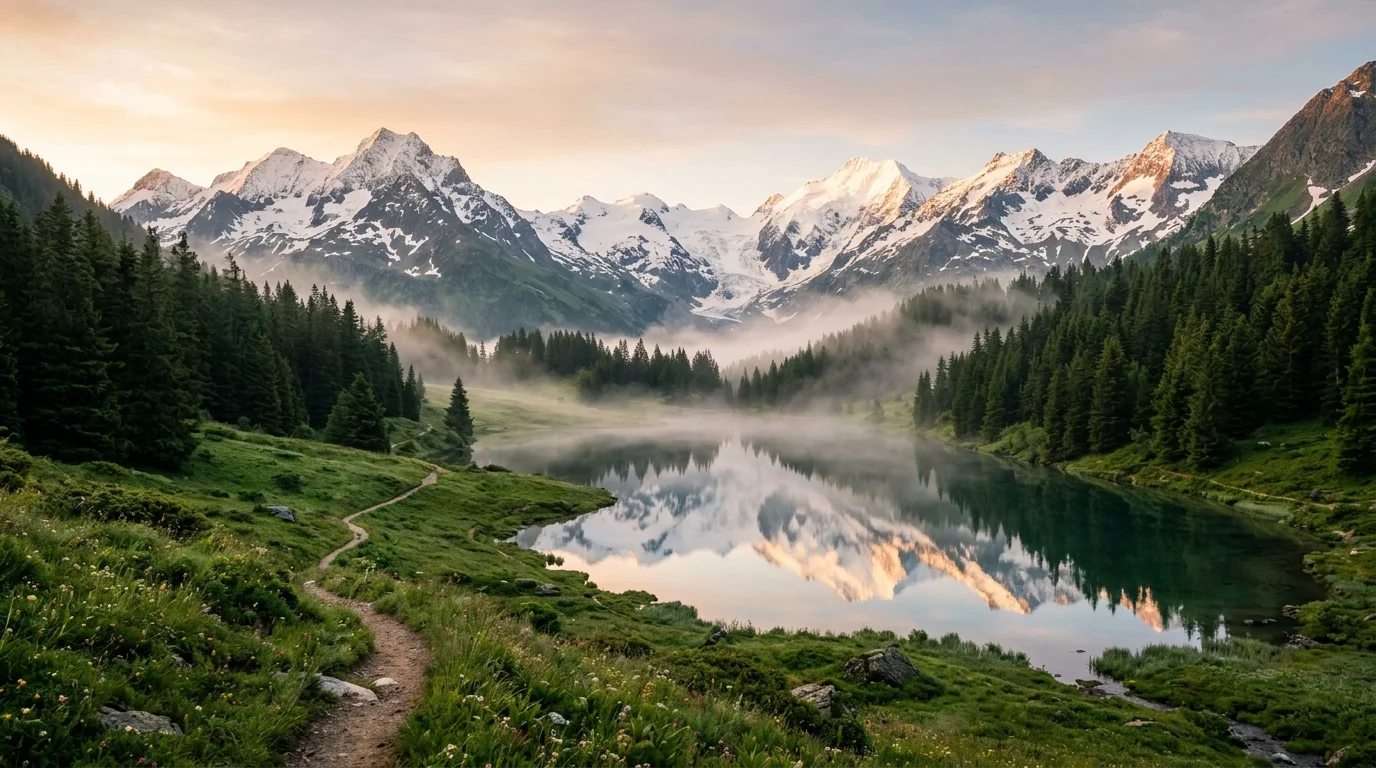
Travelers are always drawn to places that feel hidden, peaceful, and untouched. In recent online articles, Beliktal has been described as an alpine paradise filled with clear lakes, high peaks, forest trails, and quiet valleys. It has also been presented as a destination in Pakistan, a place connected with Austria, a slow living philosophy, and even a digital concept.
That mix of stories creates excitement, but it also creates confusion. Before planning a journey, readers need to know which details are supported, which are repeated claims, and which belong more to travel storytelling than confirmed geography.
This guide looks at the term from a travel perspective. It covers the possible meaning, claimed locations, scenery, activities, seasonal appeal, booking questions, and the checks every traveler should make before treating it as a real destination.
What Does Beliktal Mean?
There is no single accepted definition. The most common interpretation presents the term as the name of a hidden mountain valley. In that version, it represents pure landscapes, calm water, open skies, and a slower pace of travel. Another interpretation connects the name with mindful living. Here, it becomes a symbol of simplicity, balance, nature, and time away from digital noise. A third interpretation treats it as a flexible online word that can be used for branding, storytelling, creative communities, or fictional destinations.
Some articles claim that the name means “Pure Valley.” That description fits the travel imagery, but a translation should not be accepted without a clear source language, a reliable dictionary, or evidence from a qualified language expert. For readers, the safest conclusion is that the meaning is still developing online.
Is Beliktal a Real Place?
This is the most important question for anyone reading a destination guide. A real travel location normally leaves a clear trail of evidence. It should appear on recognized maps, sit within a named district or region, have coordinates, and connect to nearby towns through roads, trails, or public transport.
Beliktal should also have some local footprint. That may include guesthouses, community pages, weather records, guides, businesses, schools, clinics, religious buildings, or tourism offices. Remote places can have limited online information, but several independent sources should still agree on the same country, spelling, and route.
At present, the online descriptions are not consistent enough to treat the destination story as fully confirmed. This does not prove that every reference is false. It means travelers should pause before relying on promotional descriptions, booking links, or directions that cannot be checked elsewhere.
Understanding the Beliktal Location Claims
The two most repeated location ideas point in different directions.
The Pakistan claim
Some pages place the destination in Pakistan and connect it with mountain scenery, local traditions, historic structures, festivals, crafts, and food. These details create a rich travel narrative, but a usable guide needs more than broad regional language.
A reliable location claim should identify the province or territory, district, nearest known settlement, local spelling, coordinates, and access route. Historical claims should also link to recognized archives, local authorities, or credible regional sources.
The Austria and Alpine Europe claim
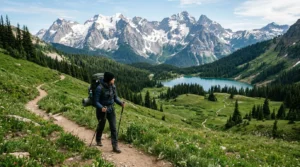
Other pages use imagery associated with Austria or the European Alps. They describe snowy peaks, green meadows, crystal clear lakes, evergreen forests, and peaceful resorts. The visual style fits Alpine tourism, but scenery alone does not establish a location.
Many mountain destinations share similar landscapes. Without a recognized map entry, local tourism website, transport route, or named municipality, the Austrian connection remains an interpretation rather than a confirmed fact.
Why the stories conflict
The conflict may come from repeated online publishing. One article can introduce a claim, another can expand it, and later pages may treat repetition as proof. This creates a circular source chain where many websites appear to agree, even though they may all trace back to the same unsupported statement.
The Digital Footprint Test for a Real Destination
Travelers can use a simple evidence test before trusting any hidden destination.
Mapping evidence
Look for consistent listings across several map providers. Check whether the name appears in the same country and region each time. A credible entry should show roads, trails, nearby settlements, natural features, or administrative boundaries.
Local business evidence
Search for accommodation, restaurants, transport services, tour operators, outdoor guides, and equipment rental. Real businesses should have consistent addresses, reviews, contact details, and photographs that match the area.
Community evidence
Look for local language references, resident posts, school or clinic listings, community organizations, and local news. A real place usually appears in more than travel blogs.
Weather and safety evidence
Mountain travel depends on weather, elevation, road conditions, and emergency access. Check for official forecasts, rescue services, health facilities, seasonal closures, and mobile coverage. If these elements cannot be confirmed, treat the beliktal as an online travel concept until stronger evidence appears.
Earliest Mentions and the Source Trail
The phrase seems to have gained attention through explanatory articles, travel style features, and trend based posts. Many of these pages describe it as newly popular, mysterious, or undiscovered. However, saying that a place is trending is not the same as showing when the name first appeared.
A careful investigation should look for the earliest indexed page, archived website, social media post, image caption, forum discussion, or local language reference. It should also compare publication dates to see which story came first.
This matters because the first version may have shaped every later interpretation. If the destination story appeared before the lifestyle story, the philosophy may have grown from travel imagery. If the abstract meaning appeared first, the mountain destination may be a creative extension of an online idea.
Why Is Beliktal Called a Hidden Alpine Paradise?
The phrase “hidden alpine paradise” works because it combines mystery with familiar travel desires. It suggests a place beyond crowded resorts, where visitors can slow down and reconnect with nature.
The recurring descriptions usually include:
- Crystal clear alpine lakes
- Snow-covered mountain peaks
- Evergreen forests
- Green valleys and meadows
- Hidden waterfalls and streams
- Fresh air and quiet trails
- Sunrise and sunset viewpoints
- Limited commercial development
These details create a strong picture, but they should be described as common online associations unless a verified location is established.
For travel content, this distinction is important. A beautiful narrative can inspire readers, but a guide must separate atmosphere from practical fact.
Commonly Associated Attractions and Activities
The online travel version of the destination is built around outdoor experiences.
Hiking and trekking
Scenic hiking trails are one of the most repeated themes. The imagined routes pass through forests, valleys, rocky ridges, and mountain viewpoints. Before following any route, travelers should confirm trail maps, difficulty levels, weather risks, permits, and rescue access.
Camping
Camping under the stars fits the remote alpine image. Safe camping requires verified campsites, local rules, clean water, wildlife guidance, and emergency planning. Travelers should never assume that wild camping is legal or safe.
Photography
The scenery described online is ideal for landscape photography. Popular subjects include mountain reflections, golden light, wildflowers, autumn foliage, snowy forests, and quiet shorelines. Images should be checked carefully, especially when the same photograph appears under different place names.
Lake activities
Boating, fishing, and swimming are sometimes linked with the destination. These activities depend on water depth, temperature, local law, weather, and access. They should not be promoted without specific safety information.
Wildlife watching
Birdwatching and nature observation suit a low impact travel experience. Visitors should keep their distance from animals, avoid feeding wildlife, stay on recognized trails, and follow local conservation rules.
Wellness and reflection
Meditation, yoga, journaling, and digital detox are also part of the appeal. These activities do not require a famous resort. They can be practiced in any verified natural setting that offers safety, quiet, and responsible access.
Can a Trip Actually Be Booked?
A practical travel guide must answer more than “Is it beautiful?” It must show how to reach the place, where to stay, and who can help in an emergency.
Before paying for a trip, confirm the following:
- A recognized airport, station, or road connection
- A named nearby town or village
- A traceable transport provider
- Accommodation with independent reviews
- A consistent address and map pin
- A local guide or registered tour operator
- Weather and seasonal access information
- Emergency and medical services
- Clear cancellation and refund terms
- Secure, traceable payment options
Be cautious if a seller requests untraceable payment, uses copied photographs, provides no physical address, or cannot explain the route from a recognized location.
The Lifestyle Philosophy Behind the beliktal
The term is also used to describe a slower, simpler way of living. This interpretation focuses on mindful routines, less screen time, lower consumption, stronger community ties, and a closer relationship with nature.
For travelers, this philosophy fits the idea of slow travel. Instead of rushing through attractions, a visitor spends more time in one region, supports local businesses, walks when possible, and pays attention to the landscape.
The same principles can guide responsible tourism:
- Carry reusable items
- Reduce waste
- Respect wildlife
- Avoid damaging trails
- Support genuine local businesses
- Learn basic local customs
- Ask before photographing people
- Leave natural and cultural sites as you found them
Even if the destination itself remains uncertain, these habits have real value.
A Digital and Creative Travel Concept
Some words become popular because they are open to interpretation. They sound distinctive, create visual ideas, and can be used in stories, brands, usernames, or fictional settings.
In travel media, an unfamiliar name can quickly become associated with a mood. Mountain images, peaceful language, and “secret destination” headlines can make the idea feel established before readers see practical evidence.
This does not make the concept useless. It can inspire fiction, art, travel photography themes, or wellness content. The problem begins only when creative material is presented as verified travel information.
Why the Term Is Trending Online
Several factors may explain the growing interest:
- It sounds like a genuine place name
- Its meaning is unclear
- Different websites give different answers
- Hidden destinations attract clicks
- Alpine imagery performs well on social media
- Slow travel and digital detox remain popular themes
- Mystery encourages people to search for confirmation
The conflicting descriptions are part of the appeal. Each new version creates more questions, which leads to more searches and more articles.
Risks of Promoting an Unverified Destination
Travel publishers have a responsibility to protect readers. Unsupported destination content can lead to wasted money, unsafe routes, booking scams, and false expectations.
It can also misrepresent real cultures. Attaching invented festivals, food, history, or religious sites to a vague location may confuse readers and disrespect communities whose traditions are being borrowed.
Photographs create another risk. A generic image of the Alps, northern Pakistan, or another mountain region should not be labeled as the real location without proof. Clear captions and source checks protect both readers and the places shown.
How Travelers Can Verify the Claims
Use this checklist before planning a visit:
- Search more than one recognized map service
- Check official tourism and government websites
- Search the name in relevant local languages
- Look for coordinates and nearby settlements
- Compare transport routes across independent sources
- Verify accommodation outside the seller’s own website
- Reverse search destination photographs
- Check weather, road, and safety information
- Look for local businesses and resident references
- Avoid booking until the identity of the place is clear
What Evidence Would Change the Conclusion?
The travel story would become much stronger if reliable evidence appeared. Useful proof would include an official geographic listing, confirmed coordinates, government tourism information, local language records, independent reporting, consistent maps, and verifiable transport and accommodation.
A responsible article should also include a review date. If stronger primary evidence emerges, the guide can be updated rather than allowing old uncertainty to become permanent fact.
FAQs
Does Beliktal exist?
Its exact identity as a physical destination is not clearly established by consistent, independent evidence. Readers should verify maps, coordinates, routes, and local services before making travel plans.
What does the name mean?
It is often linked with ideas such as a pure valley, peaceful travel, nature, and simple living. The claimed translation should be treated cautiously unless a source language and reliable linguistic evidence are provided.
Is beliktal in Pakistan or Austria?
Online articles offer both interpretations, but the conflict has not been resolved by a clear official source. Travelers should not assume either location is correct without independent confirmation.
What activities are associated with it?
Commonly mentioned activities include hiking, trekking, camping, photography, wildlife watching, meditation, and lake-based recreation.
Can tourists book a visit?
A booking should only be considered when the route, accommodation, operator, safety information, and payment method can all be independently verified.
Why is beliktal popular in 2026?
Its popularity appears to come from mystery, conflicting definitions, scenic alpine imagery, interest in hidden destinations, and the wider appeal of slow travel.
Conclusion
The mystery has the ingredients of a compelling travel story: alpine lakes, high peaks, green valleys, peaceful trails, and the promise of escape. It also carries an appealing philosophy built around nature, simplicity, and responsible travel.
Yet inspiration should not replace verification. Until a consistent location, route, local footprint, and official record can be confirmed, travelers should treat the destination narrative with curiosity and caution. Explore the idea, enjoy the scenery it represents, and apply its slow travel values, but do not book a journey based on attractive descriptions alone.