
Introduction
Repmold Manufacturing is undergoing a major transformation. Traditional production systems are struggling to keep up with the demand for speed, accuracy, and cost efficiency. As industries shift toward automation and digital workflows, new technologies are shaping the future of production.
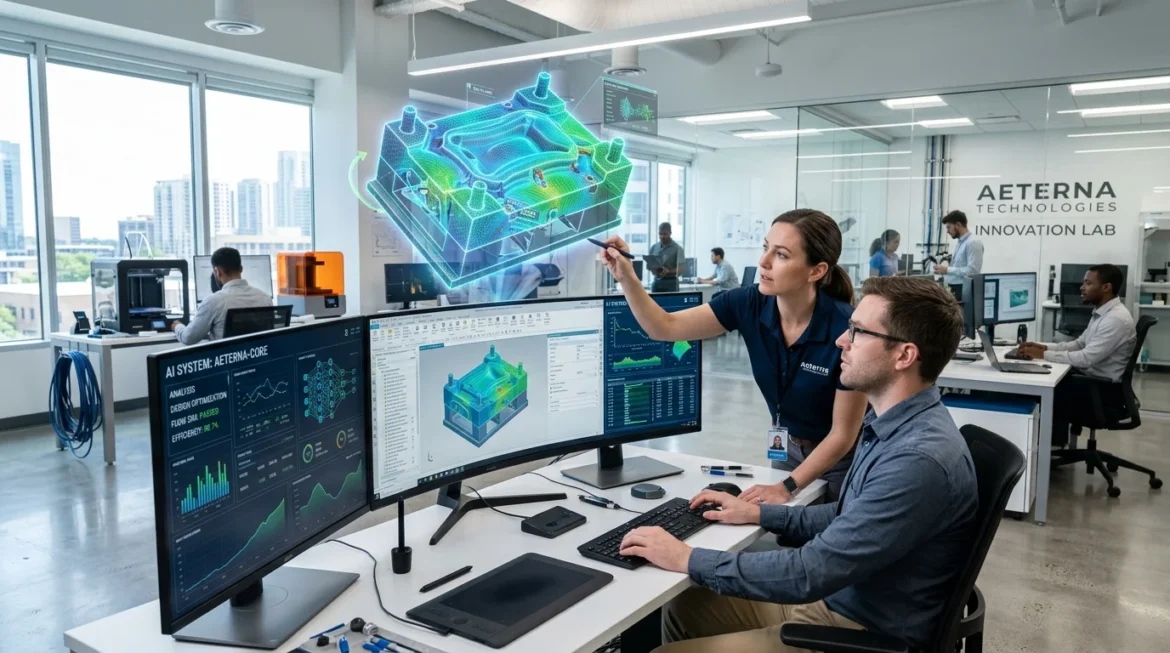
One of these emerging concepts is repmold intelligent manufacturing technology. It combines digital design, artificial intelligence, and automated production systems to improve how molds and industrial parts are created. Instead of relying only on manual processes, companies now use data-driven systems to increase precision and reduce waste. This approach is becoming an important part of Industry 4.0, where smart factories and connected machines work together in real time.
What Is RepMold?
RepMold intelligent manufacturing technology is a modern industrial system that focuses on creating high-precision molds through digital engineering methods. It combines CAD design, AI simulation, and automated manufacturing into one connected workflow.
Unlike traditional methods, this technology removes many manual steps and replaces them with digital modeling and intelligent systems. Engineers design products using software, test them using simulations, and then move directly to production with minimal errors. This makes RepMold intelligent manufacturing technology a powerful solution for industries that require speed, accuracy, and scalability.
How It Works Step by Step
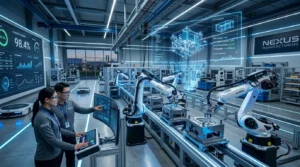
The process behind RepMold intelligent manufacturing technology follows a structured digital workflow. First, engineers create a 3D model using CAD systems. This ensures that every detail of the product is designed accurately. Then AI simulation tools analyze the design to detect weaknesses and optimize performance.
Next, rapid prototyping is done using 3D printing technology. This allows manufacturers to physically test the design before full production begins. After testing, CNC machines and automated systems produce the final mold with high precision. These machines follow digital instructions directly from the design files, reducing human error.
Finally, smart sensors and IoT systems monitor the entire production process in real time, ensuring quality control and efficiency. This entire workflow defines how intelligent manufacturing technology improves modern production systems.
Core Technologies Behind RepMold
The foundation of RepMold intelligent manufacturing technology is built on several advanced systems. CAD CAM software is used for precise digital design and manufacturing control. Additive manufacturing, such as 3D printing, is used for rapid prototyping and testing. CNC machining plays a key role in final production by ensuring high accuracy and consistency. Artificial intelligence improves decision-making by analyzing production data and optimizing workflows.
Industrial IoT connects machines and systems across factories, allowing real-time monitoring and communication. Cloud-based platforms further enhance collaboration by enabling remote control of manufacturing processes. Together, these technologies make intelligent manufacturing technology a complete digital production ecosystem.
Key Applications of RepMold in Modern Industries
RepMold intelligent manufacturing technology is widely used across multiple industries. In the automotive sector, it is used to produce high-precision engine parts and structural components. Aerospace companies rely on it for lightweight and durable components that meet strict safety standards. The medical industry uses it to manufacture surgical tools, implants, and diagnostic devices with extreme accuracy. Electronics manufacturers depend on it for producing compact and complex device components. Industrial machinery production also benefits from this system by enabling scalable and repeatable manufacturing processes.
Benefits of RepMold Technology
One of the biggest advantages of repmold intelligent manufacturing technology is speed. It significantly reduces production time by eliminating unnecessary manual steps. It also improves cost efficiency because digital simulation reduces material waste and prevents design errors before production begins. Accuracy is another major benefit. AI-powered systems ensure that every design is optimized for performance and precision. Scalability is also improved, allowing manufacturers to move easily from prototype to mass production without delays. Additionally, it supports sustainability by reducing waste and improving energy efficiency in production processes.
RepMold vs Traditional Manufacturing Systems
Traditional manufacturing depends heavily on manual processes, physical prototyping, and repeated testing. This often leads to higher costs and slower production cycles. In contrast, repmold intelligent manufacturing technology uses digital modeling and automation to streamline the entire workflow. Changes can be made instantly in digital systems without restarting production.
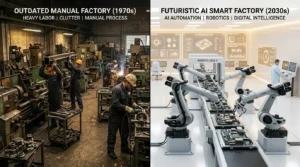
Traditional systems often produce more waste due to trial-and-error methods. However, digital manufacturing reduces this by simulating results before physical production. Flexibility is another key difference. Modern systems allow faster adaptation to design changes, while traditional methods are more rigid and time-consuming.
Role of AI in RepMold Manufacturing Revolution
Artificial intelligence plays a central role in repmold intelligent manufacturing technology. It helps predict design flaws before production begins, reducing costly mistakes. Machine learning systems analyze production data to improve efficiency and reduce downtime. This allows factories to operate more smoothly and reliably.
AI also supports automated quality control by detecting defects in real time. This reduces the need for manual inspection and increases production accuracy. Over time, AI systems learn from previous production cycles, making repmold intelligent manufacturing technology even more efficient.
Industry 4.0 and Smart Factory Integration
repmold intelligent manufacturing technology is a core part of Industry 4.0 development. Smart factories rely on connected machines, real-time data, and automated systems to improve production efficiency. IoT sensors allow machines to communicate with each other and share production data instantly. This creates a fully connected manufacturing environment.
Digital twin technology is also used to create virtual models of production systems. These models help engineers test changes before applying them in real factories. Cloud platforms support remote monitoring and control, making manufacturing more flexible and scalable.
Challenges and Limitations
Despite its advantages, repmold intelligent manufacturing technology also has challenges. The initial setup cost can be high due to advanced software and equipment requirements. Skilled workers are also needed to manage CAD systems, AI tools, and automated machines.
Cybersecurity risks are another concern because connected systems can be vulnerable to digital threats. Small manufacturers may find it difficult to adopt full smart factory systems due to resource limitations. However, ongoing technological advancements are gradually reducing these barriers.
Future of RepMold Technology
The future of repmold intelligent manufacturing technology is closely tied to automation and AI development. Factories are expected to become more autonomous, with machines handling most production tasks without human intervention.
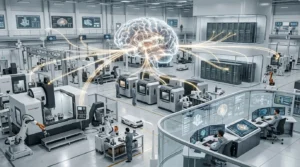
Generative AI will play a larger role in designing molds automatically based on performance requirements. Digital twin systems will become standard in manufacturing environments, allowing real-time simulation of entire production lines. Sustainable manufacturing practices will also become more important as industries focus on reducing environmental impact.
FAQs
What is repmold intelligent manufacturing technology used for?
It is used for designing and producing high-precision molds in industries such as automotive, aerospace, and electronics.
How does repmold intelligent manufacturing technology work?
It works by combining CAD design, AI simulation, 3D printing, and automated production systems.
Is RepMold intelligent manufacturing technology part of Industry 4.0?
Yes, it is a key part of Industry 4.0 because it uses smart automation, IoT, and digital manufacturing systems.
What are the benefits of repmold intelligent manufacturing technology?
It improves speed, reduces cost, increases accuracy, and supports scalable production.
Conclusion
Repmold intelligent manufacturing technology represents a major shift in modern industrial production. It combines AI, digital design, and smart automation to create a more efficient and scalable manufacturing system. As industries continue to evolve, this technology will play an important role in shaping the future of intelligent manufacturing worldwide.