The world is producing more waste than ever before. Cities are expanding, consumer habits are changing, and landfills continue to fill at an alarming rate. While recycling remains one of the most effective ways to reduce environmental damage, traditional recycling systems often struggle with contamination, inefficient sorting, and high operational costs. One concept that has attracted attention is Matarecycler, a smart recycling approach that combines artificial intelligence, machine learning, sensor technology, and real-time data analysis to improve how waste is collected, sorted, and processed.
Unlike conventional recycling methods that depend heavily on manual labor, intelligent recycling systems can identify materials automatically, monitor waste streams, and optimize collection schedules. This creates opportunities for better resource recovery, lower costs, and improved sustainability outcomes. In this guide, we will explore what MataRecycler is, how it works, its benefits, challenges, applications, and why smart recycling technology may play a major role in the future of waste management.
What Is MataRecycler in Simple Words?
At its simplest, MataRecycler refers to a smart recycling and waste management concept designed to improve recycling efficiency through technology. It focuses on reducing waste contamination, improving sorting accuracy, and helping organizations make better decisions through data-driven insights.
Traditional recycling systems often face challenges because recyclable materials are mixed with non-recyclable waste. This contamination can make recycling more expensive and less effective. MataRecycler seeks to address these problems through AI-powered recycling tools, smart bins, and automated sorting systems.
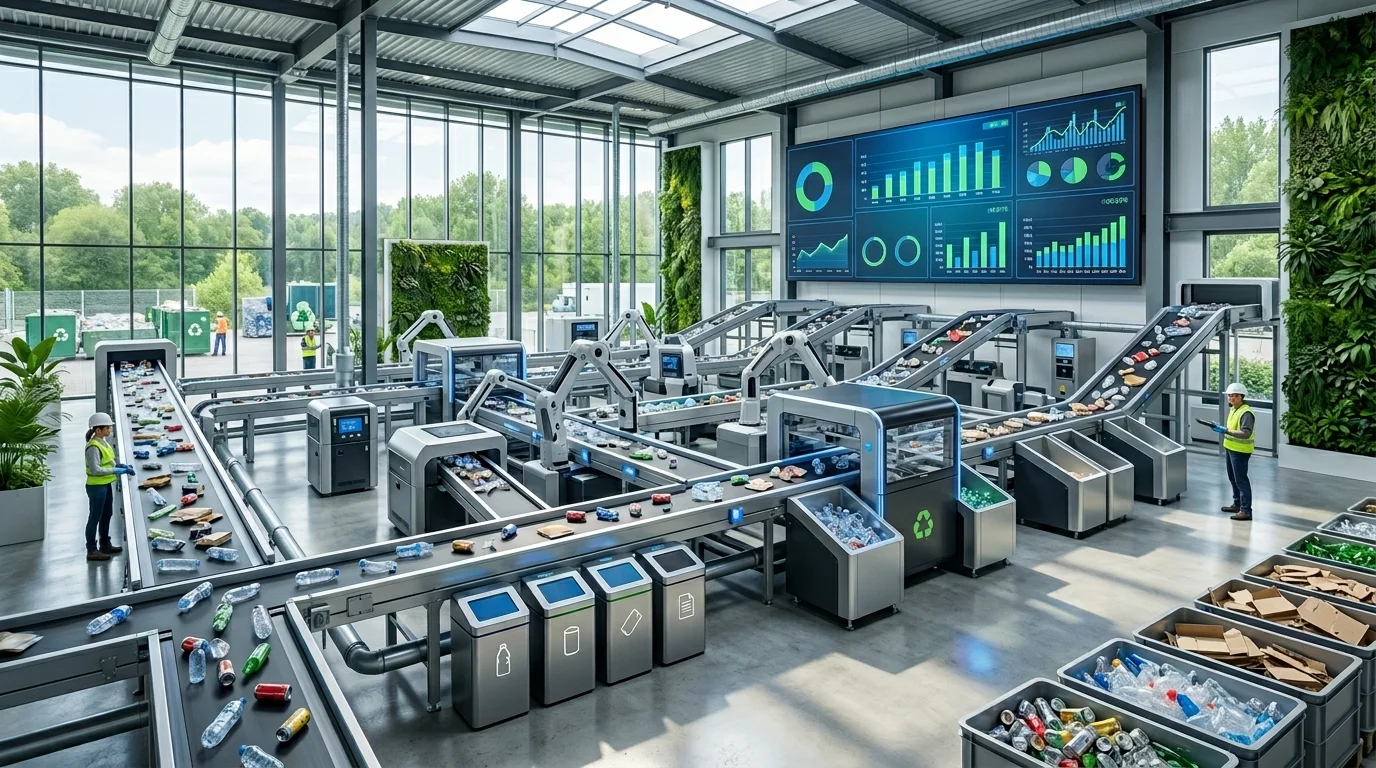
The concept is built around intelligent recycling technologies such as computer vision recycling, machine learning waste sorting, IoT-enabled smart bins, and cloud-based analytics. These technologies work together to improve waste management processes and support sustainability goals.
Why Traditional Recycling Systems Are Failing
Many recycling programs struggle to achieve their intended results. Although recycling awareness has increased, several obstacles continue to reduce effectiveness.
Contamination in Recycling Bins
One of the biggest challenges is contamination. When non-recyclable items are placed in recycling containers, entire batches may become unusable. This increases processing costs and reduces recycling efficiency.
Human Sorting Limitations
Manual sorting can be slow and prone to errors. Workers often have to process large volumes of waste, making it difficult to consistently identify materials with high accuracy.
Poor Waste Tracking
Traditional systems usually provide limited information about waste generation patterns. Without real-time data tracking, organizations struggle to optimize collection schedules and improve resource recovery.
Low Public Awareness
Many people remain uncertain about which materials can and cannot be recycled. This confusion contributes to contamination and reduces overall recycling performance.
How MataRecycler Solves the Waste Management Problem
The goal of MataRecycler is to create a smarter, more efficient recycling ecosystem.
AI-Powered Material Recognition
Artificial intelligence can identify different materials based on shape, color, texture, and composition. This improves recycling accuracy and reduces sorting mistakes.
Smart Waste Sorting
Automated sorting systems use sensors and machine learning algorithms to separate waste streams more effectively. This helps maximize the amount of material that can be recovered and reused.
Real-Time Monitoring
Smart waste management solutions often include monitoring systems that track bin capacity, collection needs, and waste generation patterns. These insights help organizations improve operational efficiency.
Predictive Collection and Maintenance
Data-driven systems can predict when bins will require collection. This reduces unnecessary transportation costs while preventing overflow problems.
The Main Features of MataRecycler
Several technologies contribute to the effectiveness of MataRecycler.
Smart Bins
IoT-enabled smart bins can monitor fill levels and send alerts when collection is needed. These systems support more efficient waste collection operations.
Automated Sorting
Automated sorting systems use AI-based material recognition to identify recyclable materials quickly and accurately.
Sustainability Dashboards
Organizations can access detailed sustainability dashboards that provide information about waste diversion rates, recycling performance, and environmental impact.
Data Reports for Businesses and Cities
Smart recycling platforms generate reports that help businesses and municipalities evaluate performance and make informed decisions.
Key Benefits of MataRecycler
Reduces Recycling Contamination
Improved material recognition helps reduce contamination levels, increasing the effectiveness of recycling programs.
Improves Recycling Accuracy
Advanced sensors and AI-powered recycling systems improve sorting precision and reduce processing errors.
Cuts Landfill Waste
By recovering more recyclable materials, organizations can divert significant amounts of waste away from landfills.
Supports Circular Economy Goals
The circular economy focuses on keeping materials in use for as long as possible. Smart recycling technologies help achieve this objective by improving resource recovery.
Helps ESG and Sustainability Reporting
Many organizations are required to report environmental performance metrics. Smart waste management systems provide accurate data that supports ESG reporting and sustainability initiatives.
MataRecycler for Different Users
MataRecycler for Businesses
Businesses can reduce waste management costs, improve recycling performance, and strengthen their sustainability credentials.
MataRecycler for Smart Cities
Cities can use intelligent recycling systems to optimize collection routes, improve operational efficiency, and reduce environmental impact.
MataRecycler for Schools and Universities
Educational institutions can use smart recycling technologies to promote environmental awareness and improve campus sustainability programs.
MataRecycler for Public Spaces
Airports, shopping centers, parks, and transportation hubs can benefit from real-time monitoring and waste management automation.
MataRecycler for Waste Management Companies
Waste management providers can increase efficiency, improve resource recovery rates, and reduce operating expenses.
MataRecycler and the Circular Economy
The concept of a circular economy has become increasingly important in sustainability discussions. Instead of following a traditional take, use, and dispose model, a circular economy focuses on keeping resources in circulation for as long as possible.
Smart recycling technologies support this objective by improving material recovery and reducing waste. By ensuring that valuable materials are properly sorted and recycled, organizations can reduce dependence on raw resources and contribute to a more sustainable economy.
Environmental Impact of MataRecycler
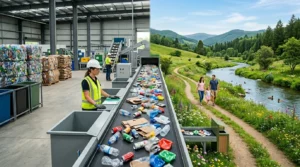
Environmental sustainability is one of the strongest arguments for adopting smart recycling systems. Improved sorting accuracy helps reduce contamination rates, increasing the amount of waste that can be successfully recycled. Higher recycling rates lead to lower landfill usage, reduced pollution, and better conservation of natural resources. Additionally, optimized collection routes can reduce fuel consumption and greenhouse gas emissions associated with waste transportation.
Economic Impact of Smart Recycling Systems
Beyond environmental benefits, smart recycling technologies can deliver financial advantages. Organizations can reduce labor costs through automation, lower transportation expenses through predictive collection, and increase revenue from recovered recyclable materials. Municipalities may also benefit from improved resource allocation, better operational planning, and more efficient waste management infrastructure.
Data Privacy and Tracking in Smart Waste Systems
As smart technologies become more common, data privacy remains an important consideration. Organizations implementing intelligent recycling systems should ensure that data collection practices comply with relevant regulations and industry standards. Transparency regarding data usage can help build trust among stakeholders and communities.
Cost, Installation, and Maintenance Considerations
The adoption of advanced recycling technology often requires initial investment. Costs may include hardware, software, installation, training, and ongoing maintenance. However, many organizations find that long-term savings from improved efficiency and reduced waste management expenses help justify the investment. Careful planning and clear performance goals are essential for successful implementation.
Common Mistakes When Using Smart Recycling Systems
Several factors can limit the effectiveness of smart recycling programs.
- Inadequate staff training
- Poor system maintenance
- Lack of public education
- Failure to analyze performance data
- Unrealistic expectations regarding immediate results
Organizations that address these challenges are more likely to achieve sustainable outcomes.
Is MataRecycler Worth It?
The answer depends on an organization’s goals, budget, and waste management needs. For businesses, municipalities, educational institutions, and public facilities seeking better recycling performance, intelligent recycling technologies offer significant advantages. Improved efficiency, reduced contamination, better data visibility, and stronger sustainability outcomes make smart recycling solutions increasingly attractive. As waste management challenges continue to grow, technologies associated with matarecycler may become an important part of future environmental strategies.
Future Trends: AI, Robotics, and Smart Waste Management
The future of recycling is likely to become even more technology-driven.
Artificial intelligence, robotics, computer vision recycling systems, and predictive analytics are expected to improve sorting accuracy and operational efficiency. Smart cities will increasingly integrate waste management technology into broader sustainability initiatives.
As innovation continues, recycling systems will become more connected, automated, and capable of supporting ambitious environmental goals.
FAQs
What does MataRecycler mean?
MataRecycler generally refers to a smart recycling concept that uses technology to improve waste sorting, tracking, and resource recovery.
Is MataRecycler an AI recycling system?
Yes, it is commonly associated with AI-powered recycling technologies, automated sorting systems, and intelligent waste management solutions.
How is MataRecycler different from a normal recycling bin?
Unlike traditional bins, smart recycling systems may include sensors, IoT connectivity, and real-time monitoring capabilities.
Can MataRecycler help businesses reduce waste costs?
Yes. Improved efficiency, reduced contamination, and optimized collection schedules can help lower waste management expenses.
Does MataRecycler support smart city planning?
Yes. Smart recycling technologies provide valuable data that can support sustainability planning, infrastructure management, and resource optimization.
Conclusion
The growing need for sustainable waste management solutions has accelerated interest in intelligent recycling technologies. By combining AI recycling, machine learning waste sorting, IoT-enabled smart bins, and real-time data tracking, matarecycler represents a modern approach to resource recovery and environmental responsibility.
While implementation requires planning and investment, the potential benefits are substantial. Improved recycling accuracy, lower contamination rates, reduced landfill waste, and stronger sustainability outcomes make smart recycling an increasingly important part of the future.
As organizations continue searching for innovative ways to manage waste and support circular economy goals, smart recycling solutions are likely to play a critical role in building a cleaner and more sustainable world.